
.webp)
.webp)


Why simple brands win
Think of the brands you recognize instantly. Almost all of them share one trait: restraint. Simplicity in brand design is not a trend, it is how recognition works. A clear mark, a confident color, a voice that says one thing well. The fewer elements a brand carries, the faster people remember it and the harder it becomes to ignore.
Complexity feels productive in the design process. More concepts, more layers, more meaning packed into the logo. But audiences do not study brands, they glance at them. A brand that needs explaining has already lost the moment.
Simplicity is a strategy, not a style
Minimalist visual identity is often mistaken for an aesthetic choice. In our experience as a creative collective, it is a positioning decision first. Choosing what to leave out forces the real question: what is the one thing this brand must own in the customer's mind?
That discipline shows up everywhere: in the naming, the tagline, the packaging, the grid of your Instagram feed. Every element either supports the core idea or competes with it. Simple brands are not brands with less work behind them. They are brands where the work is hidden in the choices.
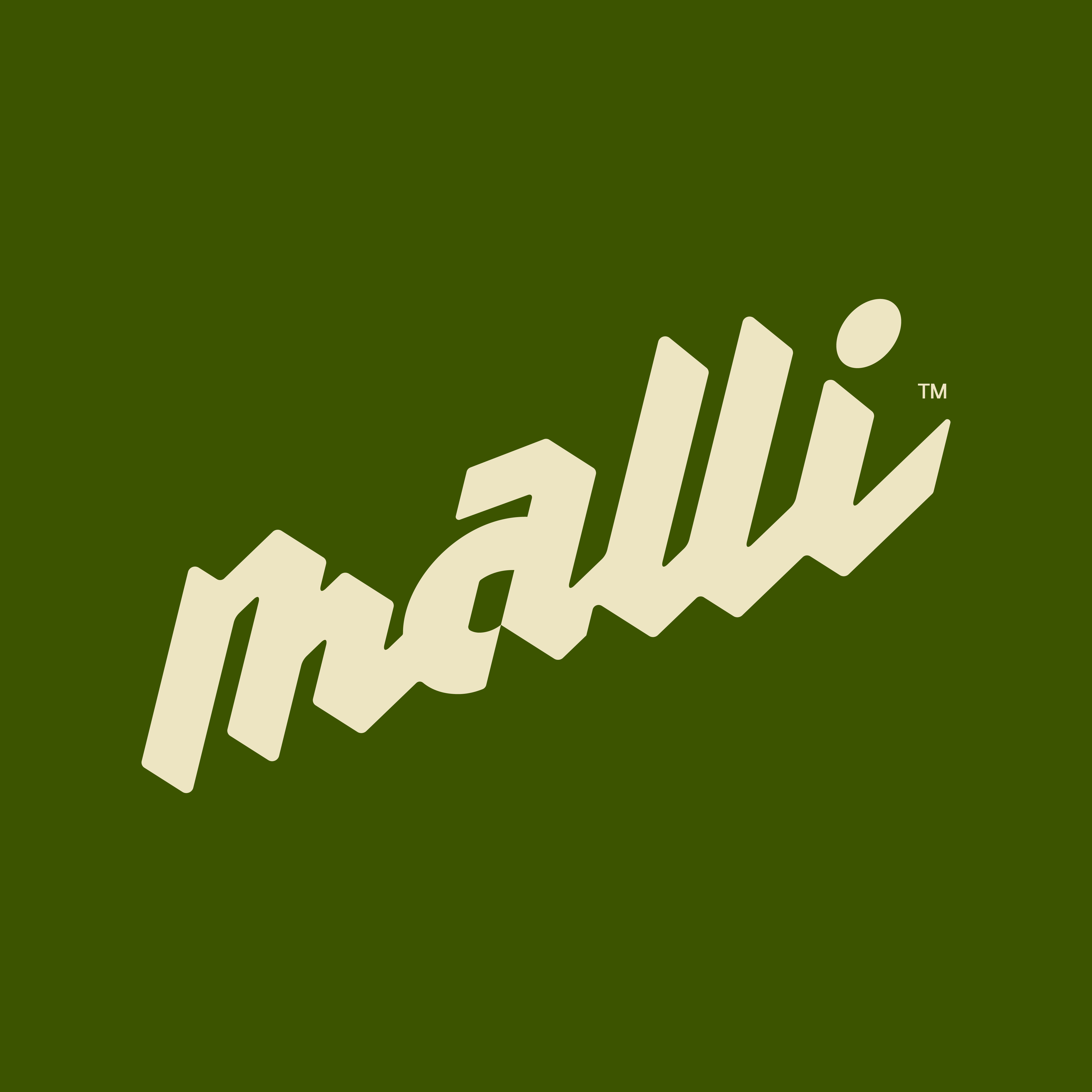
Case in point: Malli
When we created the brand for Malli, a plum sauce startup, the obvious route was ethnic branding built around the sauce's Georgian origin. Instead, we kept the origin in the name and let the label read simply as good sauce, open to the widest audience. No education needed at the shelf, no story required before the first taste. Simplicity did the selling.
How to know if your brand is too complicated
- People describe your business differently every time they refer you
- Your logo needs a paragraph of explanation
- Every department uses the brand differently because the rules are unclear
- Your website says everything and customers remember nothing
If two or more of these sound familiar, the answer is rarely more design. It is usually less, chosen better.
Where to start
Start with positioning, not visuals. Decide what the brand stands for, then strip the identity down until only that remains. If you want a second pair of eyes on your brand, talk to us. We make brands hard to ignore, usually by making them easier to understand.
Related Stories
From foundational design to advanced optimization — built for digital growth.

Thinking of hiring someone to run your social media? What social media management includes, and why your profiles are the first place people check to decide if you are credible.
How do you know when to rebrand your business? Six clear signs your brand is holding you back, and what a rebrand actually fixes.
A logo is one mark. A brand identity is the full system behind it: colors, fonts, voice, and rules. Here is the difference in simple words, and which one your business needs.

What actually happens inside a branding project: our step by step process from questionnaire to delivered identity, and why structure makes creative work better.
Brand positioning explained: why clarity beats cleverness, how strong taglines work, and what makes a brand stick in the customer's mind.
Why one logo is not a brand: how flexible visual systems keep your packaging, website, and social media consistent as your business grows.